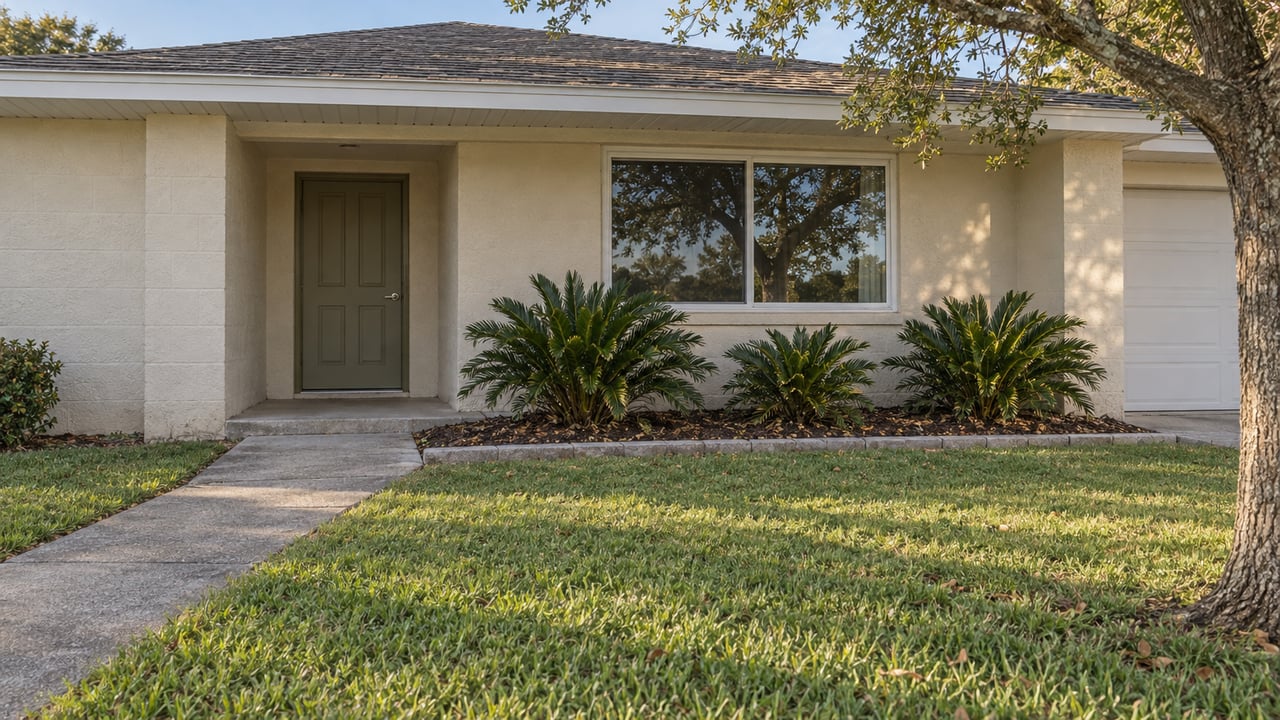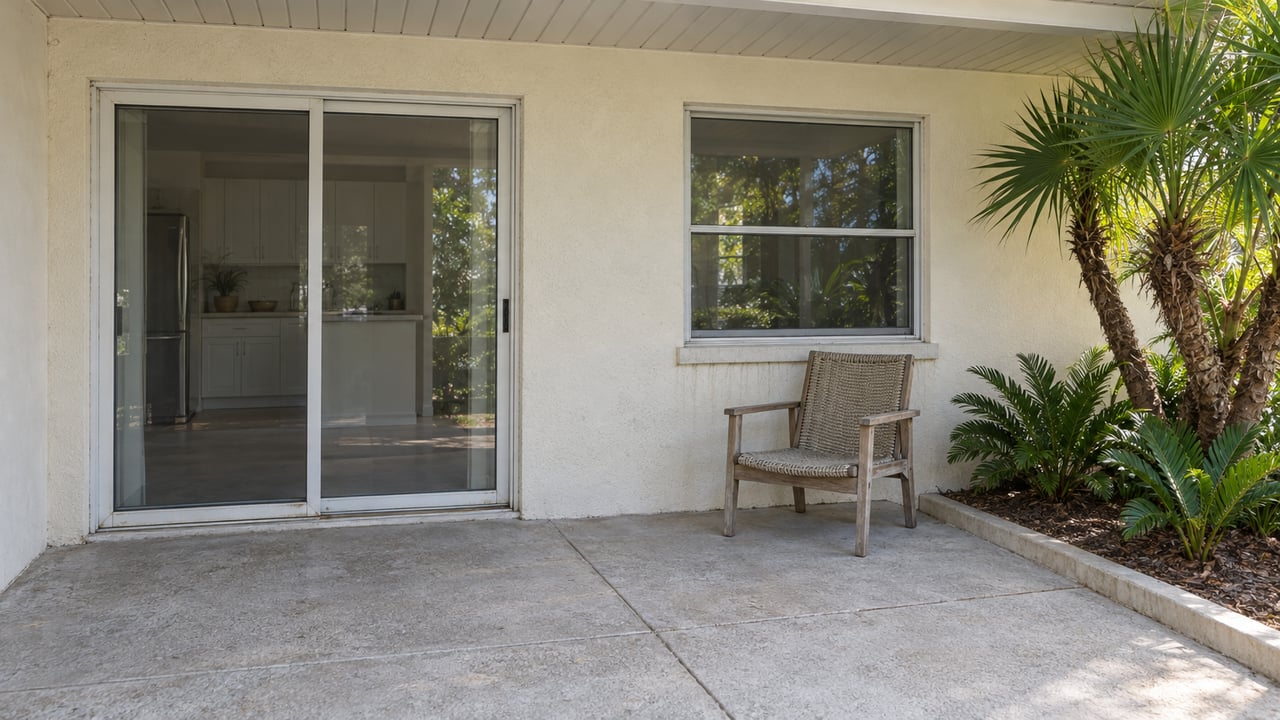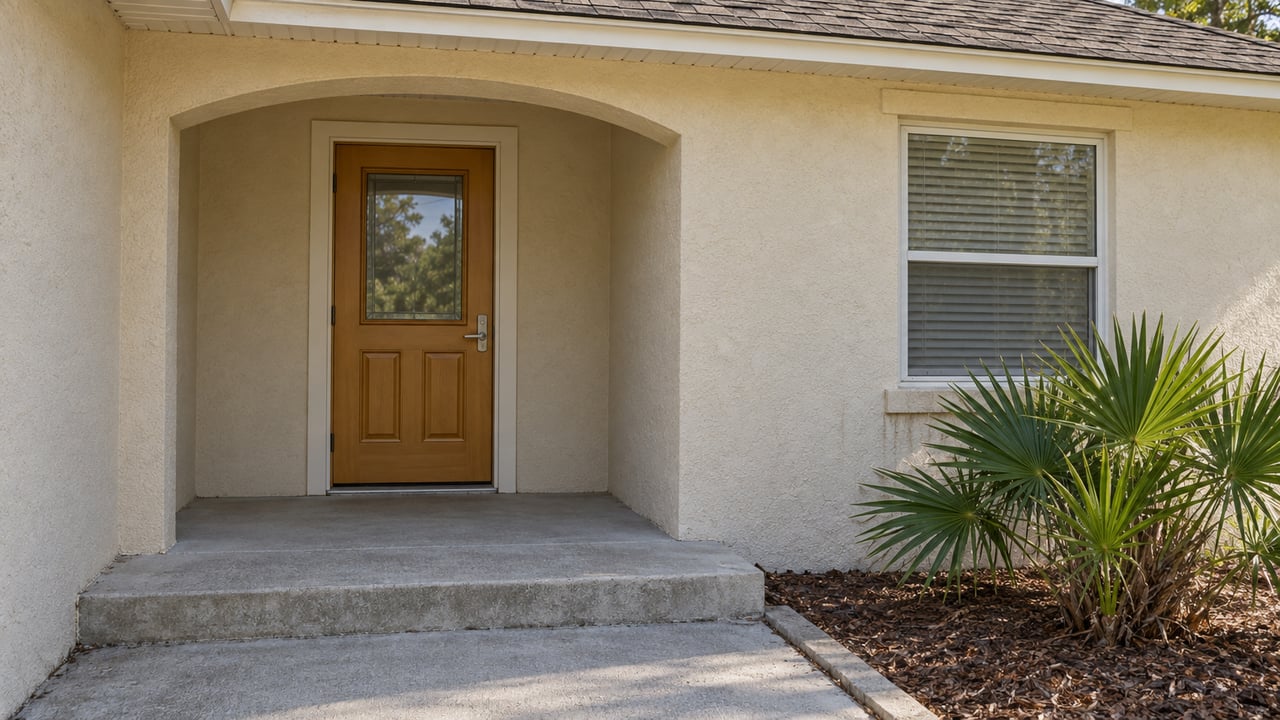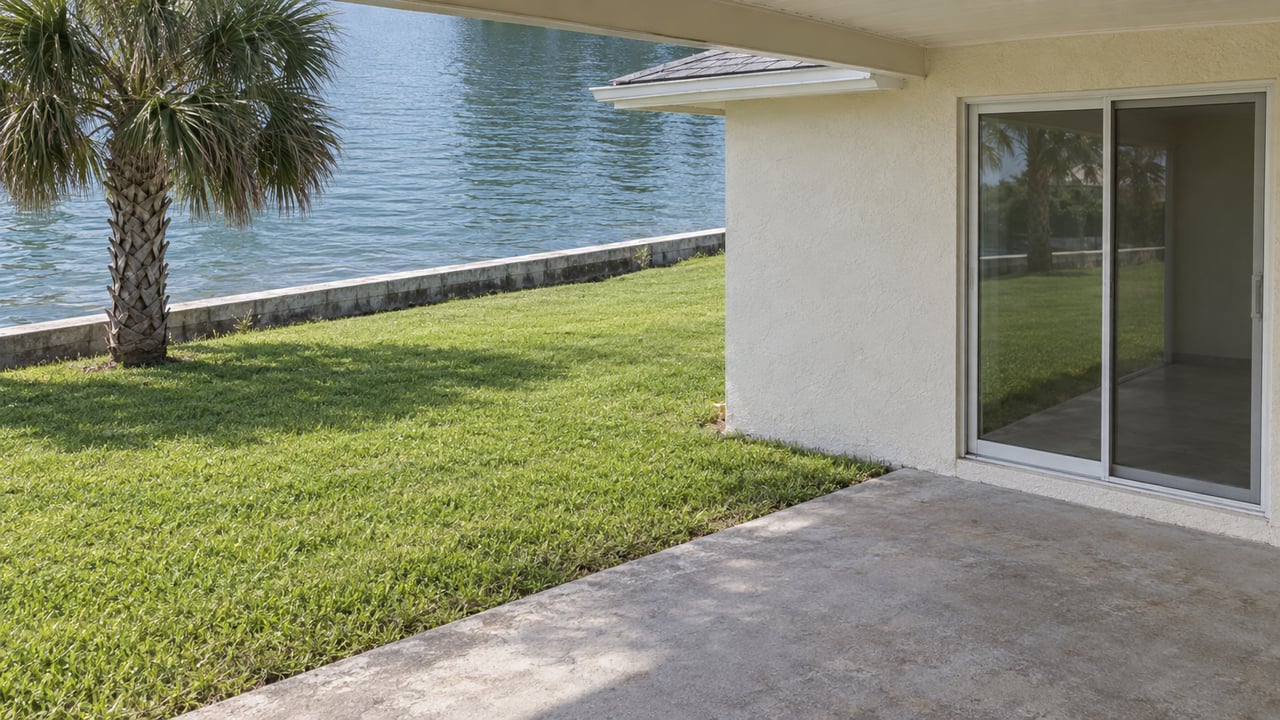
Buried in the fine print of an MLS listing on West Kingfisher Court in Crystal River, past the photos of a screened lanai and a deeded boat dock, sits a single disclosure line about a special assessment. Most buyers skim past it. It reads like standard paperwork, the kind of thing an agent handles behind the scenes. It isn't. That line is the whole story of what buying a condo in Crystal River actually involves right now, and it points straight at a community two turns off Fort Island Trail that most out-of-town buyers have never heard of.
The condo is part of The Islands Condominiums, a 44-acre deeded waterfront community pressed against the Crystal River Preserve at Dixie Shores. According to The Islands Condominiums, unit owners there were charged a $4,500 special assessment that began June 1, 2026, with 60 days to pay. The board also reset the regular monthly assessment to $968 for the 2026 to 2027 fiscal year, a rate the board approved in February and finalized at the annual membership meeting on March 16, in effect since the April 1 payment.
That's a real number, on a real timeline, at a real Crystal River address. And it's the reason a listing three streets over includes a line most buyers would otherwise never think to ask about.
The headline you've read doesn't match the building you're touring
If you've spent any time researching Florida condos this year, you've likely absorbed a version of the same story. A high-rise on the coast skipped reserve funding for decades. A new state law closed the loophole. Now owners face assessments running from $10,000 to well over $100,000 per unit, and buildings that can't get their paperwork together are landing on lender restriction lists.
All of that is true. It's also mostly a high-rise story, and it doesn't map cleanly onto Crystal River.
The law behind those headlines, Senate Bill 4-D and its follow-up SB 154, created two mandates: milestone structural inspections and Structural Integrity Reserve Studies, or SIRS. Both apply to condominium and cooperative buildings that are three or more habitable stories, once the building reaches 25 years old within three miles of the coast or 30 years elsewhere, according to the Florida Department of Business and Professional Regulation. According to CSI Design, HB 913 later locked in full reserve funding for the structural items a SIRS covers starting January 1, 2026, and raised the reserve threshold for smaller line items from $10,000 to a 2026 figure of $25,675.
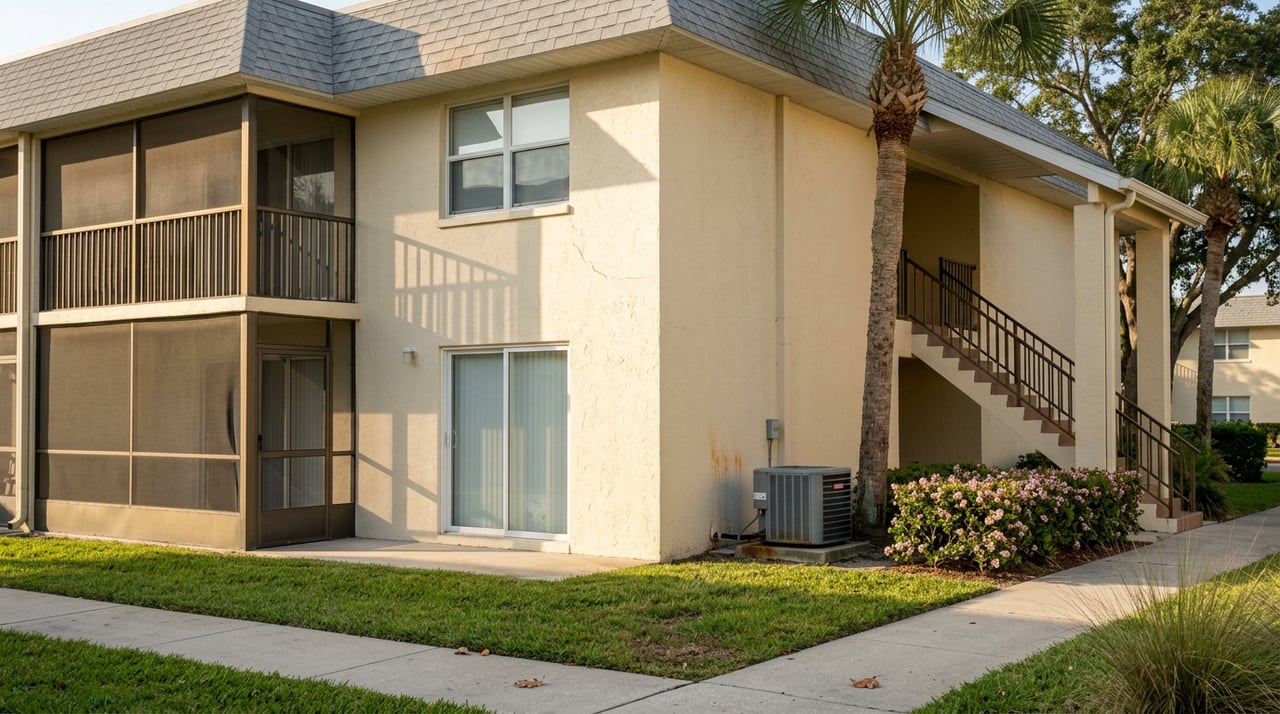
Walk the waterfront condo stock around Kings Bay and Dixie Shores and you'll notice something the national coverage doesn't mention. Much of it is low-rise garden style. Listings for units at The Islands, Pelican Cove II, and Bay Villas routinely describe end units with no unit above or below, ground-level access, and individual carports rather than a shared elevator core. Buildings built this way often fall under the three-story threshold that triggers the milestone inspection and SIRS mandates in the first place.
That distinction matters for a buyer, but not in the way it might seem.
Being under three stories doesn't mean being exempt from a bill
Here's the part that catches people off guard. A building that never has to file a SIRS with the state can still raise dues sharply, still levy a special assessment, and still hand a buyer a document stack worth reading closely before writing an offer.
The Islands is the proof. It's a garden-style, low-rise community, the kind of building stock that likely sits outside the specific three-story SIRS trigger. And it still moved its per-unit assessment to $4,500 with a 60-day payment window and reset monthly dues to $968, a jump any buyer comparing that number against a listing from a few years back would notice immediately.
Two mechanisms explain why an "exempt" building can still cost more.
First, every Florida condominium association, regardless of height, operates under Chapter 718 of the Florida Statutes, which governs how associations budget for capital expenditures and deferred maintenance. The SIRS waiver ban is what changed for taller buildings, but boards under three stories have always had the option to fund reserves properly, and rising costs are pushing more of them to actually do it rather than defer.
Second, insurance is doing its own separate work on the bill regardless of story count. Florida's statewide average homeowners premium climbed from $2,520 to $4,480 between 2021 and 2024, a 78 percent increase in three years. Condo association master policies, priced per $100 of insured value rather than as a flat homeowners rate, commonly run from $3,000 to more than $60,000 a year depending on location, construction, and building condition. A community with docks, a clubhouse, tennis courts, and pool maintenance carries a materially larger insured value than a single detached home, and that value drives the premium the association has to fund every year through dues.
Citrus County has actually fared better than most of the state on the base homeowners number. The Florida Office of Insurance Regulation's January 2025 report put the county's average homeowners premium at $2,441, based on policies in force as of September 30, 2024, well below coastal counties like Palm Beach or Broward. That's a meaningful data point for a single-family buyer. It's a much smaller comfort for a condo buyer, because the number that actually governs a condo's dues is the master policy the association carries, not a countywide homeowner average.
What this means for the building you're actually considering
None of this is a reason to avoid Crystal River's condo market. It's a reason to read the file the way you'd read a home inspection, not skim it the way you'd skim a listing description.
Before writing an offer on any unit in a community like The Islands, Pelican Cove, Bay Villas, or Casa Rio, ask the seller's agent or the association directly for:
- The current reserve study, whether it's a full SIRS or the association's own internal funding schedule, and how fully each component is funded.
- The last 12 months of board meeting minutes, which typically show whether a special assessment or dues increase is already under discussion before it hits a public notice.
- The master insurance declarations page, so you can see what the association's policy actually covers versus what falls to your own HO-6 unit policy.
- Whether any approved assessment is still awaiting billing, and whether it is a regular dues adjustment or a separate special assessment. The Islands illustrates why that distinction matters: its regular and special assessments followed different timelines.
- The building's habitable story count and age, which tells you whether the SIRS and milestone inspection mandates apply at all, and if they don't, whether the association is still funding reserves properly on its own initiative.
A listing that discloses a pending assessment, like the one on Kingfisher Court, is actually doing you a favor. It's telling you the paperwork exists. The better question isn't whether a building has an assessment, but whether the seller's disclosure and the association's own records tell the same story.
A few questions worth asking directly
Does a two-story condo building in Crystal River ever need a SIRS? Only if it meets the three-habitable-story threshold. A genuinely two-story garden building typically falls outside the state mandate, though the association can still choose to commission a reserve study voluntarily, and many well-run ones do.
Is a special assessment automatically a red flag? Not by itself. An assessment tied to a documented, board-approved capital project, like the one at The Islands, is a sign the association is funding real maintenance. The red flag is a large assessment with no supporting minutes, no comparable reserve study, or no clear connection to a named project.
Where can I verify a building's milestone inspection status? The Florida DBPR maintains public compliance information through its Division of Condominiums, Timeshares and Mobile Homes, which tracks SIRS filings and inspection reporting for qualifying buildings.
Does a low HOA fee mean a healthier building? Not necessarily. A fee that looks low compared to a neighboring community can simply mean reserves are underfunded, which shows up later as a special assessment rather than a monthly line item.
Crystal River's waterfront condo stock still offers something a lot of the state's coastal high-rise market can't: docks, pools, and preserve views at prices that remain approachable, in buildings mostly built at a scale the newest state mandates were never written for. That's an advantage worth understanding correctly, not one worth assuming blindly. If you're weighing a specific unit on Kings Bay, at Dixie Shores, or anywhere else in Citrus County and want a second set of eyes on the reserve study before you write an offer, reach out to Tyler Ross directly. Pulling the right documents before you're under contract is a lot easier than negotiating around a surprise after you own the unit.
This article is general information, not legal, tax or financial advice. Consult a qualified professional about your situation.