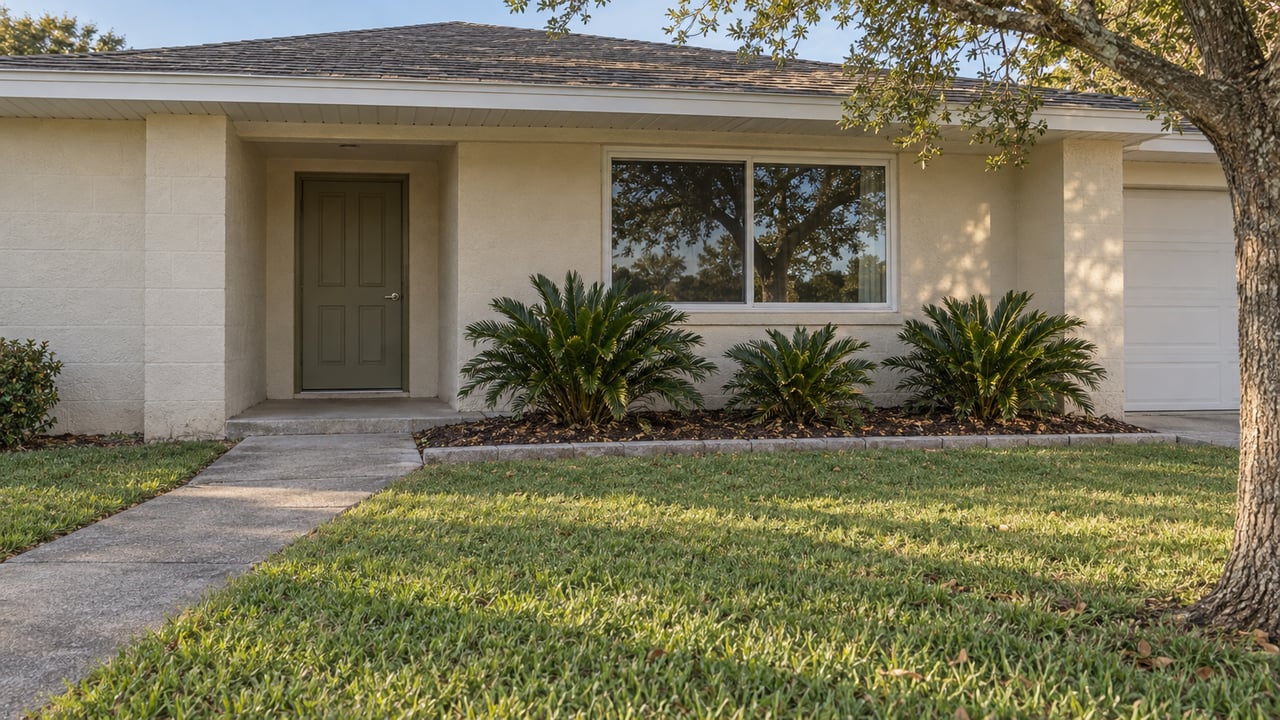
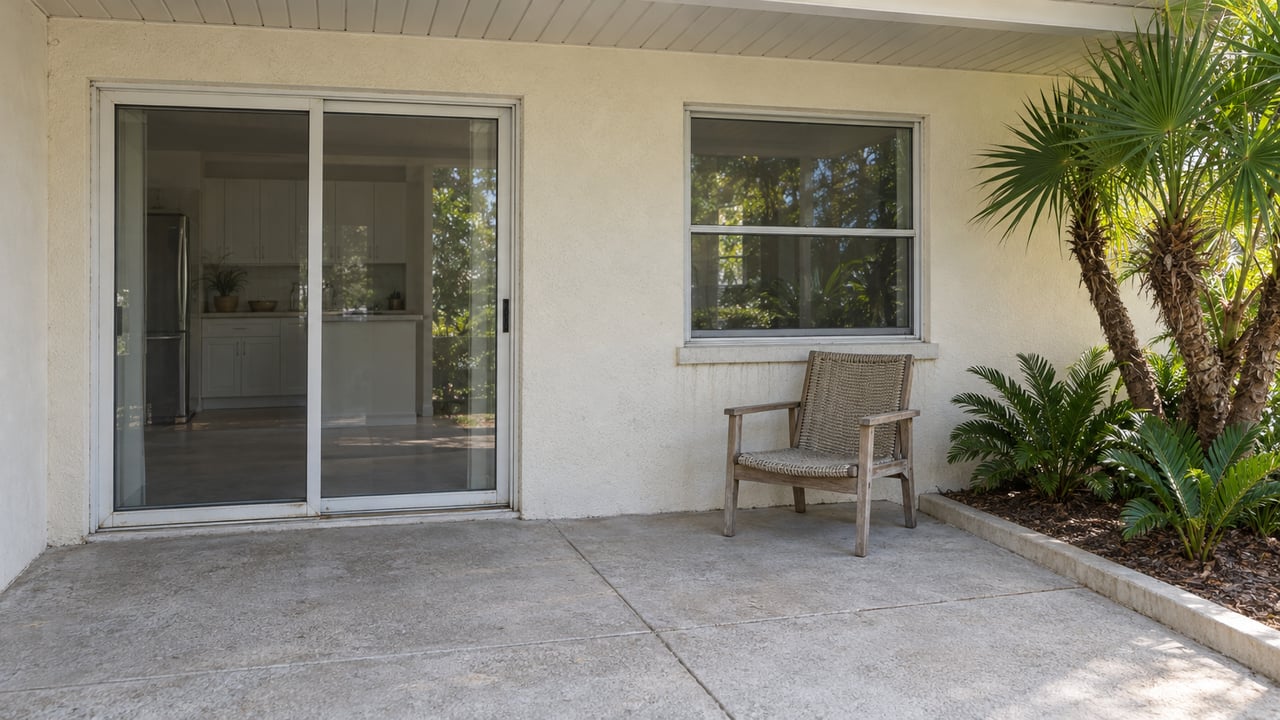
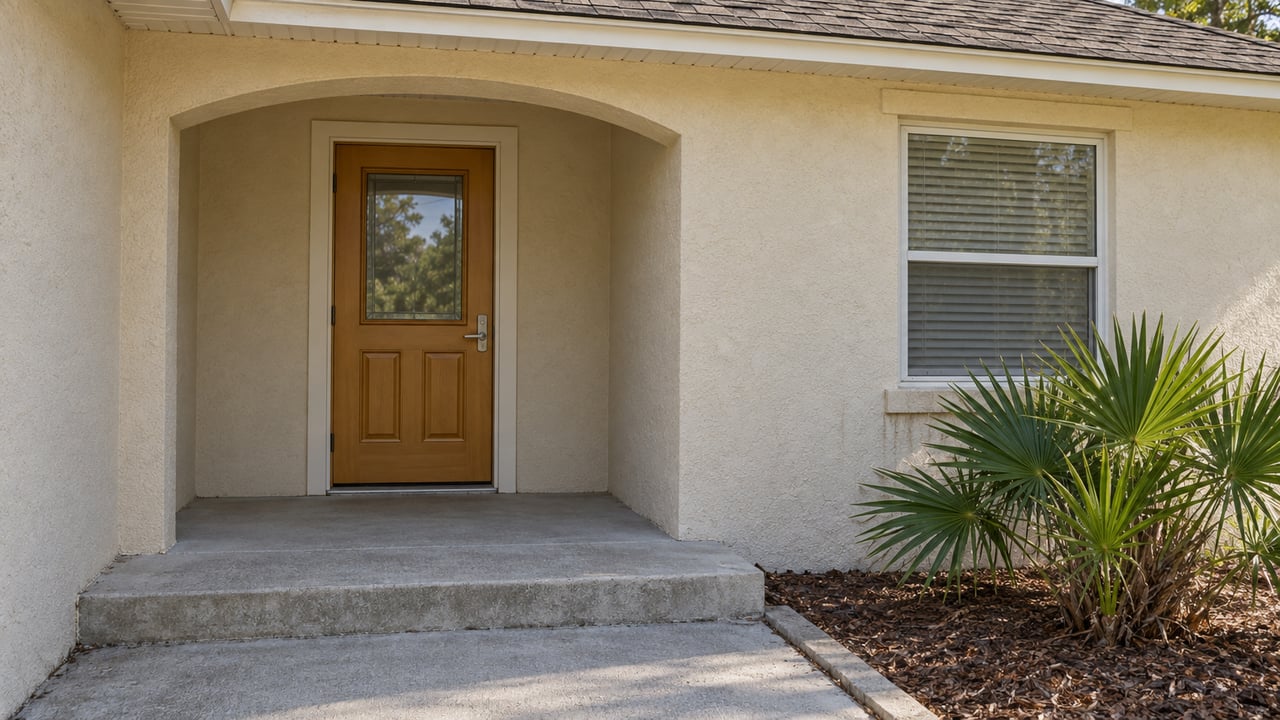
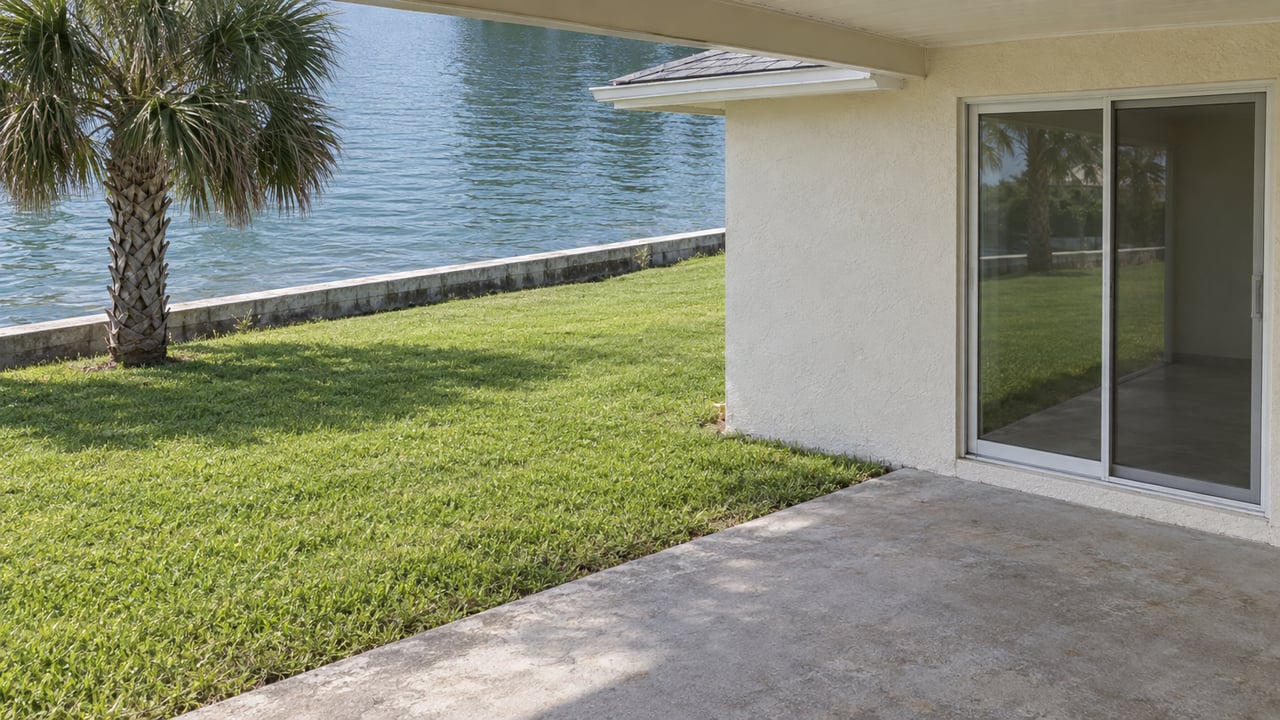
Picture two lots for sale a few streets apart in Homosassa this fall. One sits at 0.85 acres on a corner, cleared and ready to build. The other runs 1.03 acres on a private road, listed with the standard rural note: well and septic required, Withlacoochee River Electric Cooperative pole at the gate. Same zoning. Same distance to the Homosassa River. Priced within a few thousand dollars of each other on a per-acre basis. A buyer comparing the two on paper would call it a coin flip.
It isn't. One of those lots can likely go in with a conventional septic system. The other, purely because of where the acreage line falls, may be required to install a nitrogen-reducing system that costs thousands more to permit, install, and maintain every year after that. The gap has nothing to do with soil quality, slope, or the number on the for-sale sign. It comes down to a single line on the plat: is the parcel one acre or smaller, and does it sit inside a springs Priority Focus Area.
What a Priority Focus Area Actually Regulates
Florida has already declared the Homosassa and Chassahowitzka spring systems impaired by nitrogen, and the state's cleanup plan for that impairment is called a Basin Management Action Plan. Septic tanks show up again and again as one of the largest identified sources of that nitrogen, because the porous limestone under this part of the Nature Coast lets wastewater from a drain field travel into the aquifer that feeds the springs far more directly than it would over denser soil. Within each BMAP, the state maps a smaller zone called a Priority Focus Area, which marks the ground where a septic system's groundwater has the shortest estimated travel time to the spring vent. A lot inside that zone is regulated differently than a lot a few miles inland in the same basin, even if the two properties look identical from the road. The Florida Department of Environmental Protection maintains the BMAP program pages that define these zones basin by basin, and a parcel's status there is a fact any buyer can look up before making an offer.
What the Requirement Actually Costs
The regulatory term is ENR-OSTDS, which stands for Enhanced Nutrient-Reducing Onsite Sewage Treatment and Disposal System. In practice it means a septic setup built to strip most of the nitrogen out of wastewater before it ever reaches the drain field, using an aerobic treatment unit, an in-ground biofilter, or an engineered performance system. The line item shows up well before the tank goes in the ground.
| Cost step | Conventional system | ENR-OSTDS |
|---|---|---|
| Perc test / site evaluation | $450–$1,400 | $450–$1,400 |
| Permit fees (site eval + construction) | $875–$1,325 | $875–$1,325 |
| System installation | $5,000–$9,000 | $15,000–$35,000 or more |
| Ongoing maintenance | Standard pump-out every few years | Annual service contract required by design, according to Landmodo |
The perc test and permit fees run about the same either way. The gap opens at installation, where an ENR requirement typically adds $8,000 to $20,000 over a conventional gravity system, and it doesn't close afterward, since an ENR system also needs a yearly maintenance contract that a conventional tank never requires.
The One-Acre Line
Here is where the two Homosassa lots from the opening actually diverge. Florida's 2023 springs law, House Bill 1379, requires new septic system construction permits inside a BMAP to use ENR technology specifically on lots of one acre or less, when a new permit is needed and sewer service isn't available. A parcel larger than one acre in the same Priority Focus Area, all else equal, is not automatically pulled into that requirement for new construction. That means a 0.85-acre corner lot and a 1.03-acre lot down the same private road, both inside the Homosassa/Chassahowitzka Priority Focus Area, can land on opposite sides of a five-figure cost line even though nothing about their location changed. Homosassa's land market is full of parcels that sit close to that threshold, from the 0.29-acre and 0.39-acre residential homesites common in subdivisions like Sugarmill Woods and Villa Terrace to the 4 and 20-plus acre wooded tracts marketed toward owner-builders and small investors. A buyer who only compares price per acre never sees the line. A buyer who checks the actual platted acreage against the DEP's Priority Focus Area map does.
Existing Systems Got Their Own Deadline in December
The one-acre rule covers new construction. A separate rule now covers homes that already have a septic system in place. As of December 15, 2025, any permit application to repair or modify a septic system on a parcel inside a Priority Focus Area in Citrus County must include a nitrogen-reducing design, under a notice issued by the Citrus County Department of Health. The Homosassa and Chassahowitzka Springs Group is one of the basins named in that update. This matters to anyone buying a house on an existing septic system in Homosassa, not just anyone buying raw land. A working system that passes today isn't required to upgrade on the spot, but the moment it fails and needs a real repair or replacement, the ENR requirement attaches to that permit application regardless of the lot's size. Citrus County has run a Septic Upgrade Incentive Program offering up to $7,000 toward eligible upgrade costs, though as of this writing the program had already received its maximum number of applications for the current funding round, a detail worth confirming directly with the county's housing services office before counting on it.
Where This Heads Next
The one-acre carve-out isn't guaranteed to stay in place forever. A Marion County septic guide reports that the newly adopted Silver Springs and Rainbow Springs BMAP took effect on July 27, 2026, and it dropped the acreage exception entirely for that basin. Under the combined plan, any new septic system inside the BMAP boundary now needs ENR treatment regardless of lot size, not just inside a Priority Focus Area. Citrus County's springs basins are governed by separate plans on their own review cycles, so nothing has changed here yet. But the Marion precedent is a useful signal for anyone weighing a long build timeline on Homosassa acreage: the rules that apply to a parcel today are a dated fact, not a permanent one, and each basin's next revision is the moment they can tighten.
Before You Write an Offer on Homosassa Land
- Confirm the parcel's platted acreage against the county survey, not just the marketing acreage in the listing description. Boundary rounding at the one-acre line is common and it's the single fact that determines which cost column applies.
- Check the parcel against the DEP's Priority Focus Area mapping for the Homosassa/Chassahowitzka BMAP before assuming the price per acre tells the whole story.
- Call the Citrus County Department of Health environmental health office directly for a written determination on the parcel, rather than relying on a listing agent's assumption or a neighbor's memory of what applied to their lot.
- Get a septic contractor to quote both scenarios, conventional and ENR, before finalizing an offer price, especially on lots sitting close to the one-acre threshold.
- Ask whether the county's septic upgrade grant program has reopened for new applications if the parcel already carries an existing system that may need work down the road.
Quick Answers
Does the ENR requirement apply to homes I'd be buying with an existing septic system, or only vacant land? Both, in different ways. Vacant land on one acre or less inside a Priority Focus Area triggers the requirement at new construction. A home with an existing system in the same zone doesn't have to upgrade today, but the requirement attaches the moment that system needs a real repair or replacement permit.
If my perc test passes, does that override the ENR requirement? No. A perc test measures whether the soil can absorb wastewater and determines drain field design. It has nothing to do with whether the location and lot size require nitrogen-reducing technology. A lot can pass its perc test easily and still be required to install the more expensive system.
Is there financial help available for the added cost? Citrus County has offered up to $7,000 through its Septic Upgrade Incentive Program, though funding availability changes and the program had reached its application cap as of this research. Confirming current status directly with the county before budgeting around it is worth the phone call.
Land in Homosassa still offers some of the most flexible building opportunities on the Nature Coast, from quarter-acre subdivision lots to multi-acre tracts along the river corridor. The parcels that make sense for a given budget depend on more than the number per acre on the listing sheet. If you're comparing lots here and want a second set of eyes on what a specific parcel's regulatory status actually means for your build budget, reach out to Tyler Ross or start with a Get Your Instant Home Valuation to see where your numbers stand before you write an offer.
This article is general information, not legal, tax or financial advice. Consult a qualified professional about your situation.